Zhejiang Yingfeng Optical Communication Technology Co., Ltd
+86-574-89065025
 LanguageLanguage
Tel: +86-574-89065023/25
Email: Frank@nhyingfeng.com
Add: No.11 Huanyuan Road, Binhai Industrial Zone, Xidian Town, Ningbo, China
Company Strength
Yingfeng Optical Communications was founded in 1982. After years of rapid and sustained development, it currently has Yingfeng Modern Industrial Park with a production area of 35,000 square meters.
Professional Team
We have a professional team to provide you with comprehensive one-stop services. Professional manufacturer, 100% tested. We have first-class production lines and strict quality management systems.
Our Certificate
ISO9001:2015,CE, ROHS,UL,ANATEL
Rich Experience
We have 40 years of experience in this field. We are a professional supplier you can trust
What is Fiber Optic Terminal Box
Fiber Termination Box, also known as FTB, typically consists of two main parts: the outer shell body and the adapter tray that protects the fiber connector points. It is a crucial component in fiber optic networks, primarily used for terminating, connecting, and managing fiber optic cables. Serving as a critical connection point, it facilitates the termination, splicing, or connection of fibers from various cables to other network devices such as switches, routers, or Optical Network Terminals (ONTs). It aids in splicing, splitting, storing, and managing fibers within the appropriate space.产品列表下方的内容:


Superior Protection
Fiber optic termination boxes protect sensitive optical fibers from environmental threats like moisture, dust, and physical damage. This protection is essential for preserving the quality and performance of the fiber network.
Efficient Cable Management
They make sure the cables are organized and managed properly, so there’s no mess. This makes it easier to take care of them and reduces the chances of them getting damaged when you’re moving them around.
Ease of Access for Repairs and Upgrades
The way these boxes are set up makes it easy to get to the optical fibers, so you can fix things and make changes faster. That’s important because it means you don’t have to shut down the network for very long.
Scalability and Flexibility
Fiber optic termination boxes are made to fit many different setups and sizes, so they work for all kinds of networks. This means you can easily add more as your network needs more.
Better Signal Quality
These boxes help keep fiber connections clean and safe, so your signal stays strong. That means faster internet and less buffering.
Diverse Applications
You can use them inside or outside, and they work for all sorts of things, like hooking up houses to the internet (FTTH) or running big data centers and phone systems.
Fiber Optic Network Distribution
Fiber optic terminal boxes are used to distribute and connect fiber optic cables in various network setups. They provide a centralized location for terminating and organizing fiber optic connections, allowing for easy maintenance and troubleshooting. Terminal boxes ensure efficient signal transmission and minimize signal loss, enabling reliable and high-quality communication.
Fiber Optic Cable Splicing
In situations where fiber optic cables need to be spliced together, terminal boxes are utilized to provide a secure and protected environment for the splices. These boxes offer proper cable management and strain relief, ensuring the longevity and performance of the spliced fibers. Terminal boxes with built-in splicing trays and organizers simplify the splicing process and reduce installation time.
Fiber Optic Equipment Connectivity
Fiber optic terminal boxes serve as an interface between fiber optic cables and various active network equipment. They enable the connection of fiber optic patch cords to devices such as switches, routers, and servers. Terminal boxes with pre-installed adapters and couplers provide a seamless and reliable connection, ensuring optimal performance of the network infrastructure.
Ftth (fiber To The Home) Applications
Fiber optic terminal boxes are widely utilized in FTTH installations, where fiber optic cables are brought directly to individual homes or businesses. These boxes act as demarcation points, allowing the connection between the main fiber optic network and the customer's premises. They facilitate the installation of fiber optic connectors, pigtails, and splices, providing a reliable and convenient fiber optic connection at the end-user location.
Shell
The shell should be easy to open and easy to install. The shell should have a lead-out device for the high-voltage protective grounding of the metal components of the optical cable.
Internal Components
Internal components should include the following parts:
Optical Fiber Connector Protection
The optical fiber connector can be protected by a heat-shrinkable protective tube, protective clip, etc.

Types of Fiber Optic Terminal Box
Wall-mounted FTB
These FTBs are designed to be mounted on walls, typically in indoor environments such as offices, homes, or small data closets. They are compact in size and provide a convenient solution for terminating and organizing fiber optic cables in smaller-scale deployments.
Rack-mounted FTB
Rack-mounted FTBs are larger in size and are intended to be installed in equipment racks or cabinets. They are commonly used in larger network environments such as data centers or telecommunications facilities. Rack-mounted FTBs offer higher port densities and are suitable for managing a larger number of fiber connections.
Outdoor FTB
Outdoor FTBs are specifically designed to withstand harsh environmental conditions such as extreme temperatures, humidity, and dust. They are constructed with ruggedized enclosures and weatherproof seals to ensure the integrity of fiber connections in outdoor deployments, such as fiber-to-the-home (FTTH) installations or outdoor telecommunications infrastructure.
Indoor FTB
Indoor FTBs typically serve as transition points between upstream and horizontal cables, providing operators with greater flexibility in cable management. Unlike outdoor FTBs, indoor FTBs have lower material requirements due to the more stable and controlled indoor environment. They are commonly used in home or office settings to facilitate fiber-to-the-home connections and distribution.
As a connection hub, one of the main functions of the FTB is to provide a secure and reliable connection point for optical fibers. It provides a centralized location for connecting optical fibers to other network elements such as switches, routers, or optical network terminals (ONTs), enables the seamless integration of fiber optic connections within the network infrastructure, allowing for reliable data transmission and communication between network devices.
The FTB functions as a distribution center for optical fibers, facilitating the distribution of signals to multiple endpoints or subscribers within the network. It allows for the efficient routing and allocation of optical signals to different locations, enabling network operators to manage and control the flow of data effectively.
FTBs play a vital role in protecting delicate fiber optic connections from environmental factors such as dust, moisture, and physical damage. The enclosure of the FTB provides secure housing for the fiber terminations, shielding them from external elements that could degrade signal quality or cause fiber breakage.
Effective cable management is essential for maintaining order and accessibility within a fiber optic network. FTBs often include features such as cable routing guides, splice trays, and labeling systems to facilitate the organization and identification of fiber optic cables, making it easier for technicians to troubleshoot and perform maintenance tasks.
Capacity
The capacity of the fiber optic terminal box is one of the most important factors to consider. It determines the number of fiber optic cables that can be accommodated in the box. The capacity of the box should be based on your current needs and future growth. Make sure to choose a box with enough capacity to accommodate any future expansion of your network.
Size
The size of the fiber optic terminal box is also an important factor to consider. The box should be large enough to accommodate all the fiber optic cables and any additional equipment that may be needed. However, it should not be too large that it takes up too much space or is difficult to install.
Protection
The fiber optic terminal box should provide adequate protection to the fiber optic cables from physical damage, dust, and moisture. Choose a box that is made of high-quality materials and has a secure locking mechanism to prevent unauthorized access. The box should also have appropriate seals and gaskets to prevent moisture and dust from entering.
Connectivity
The fiber optic terminal box should be compatible with the type of fiber optic connectors that you are using. Different types of connectors include SC, LC, and ST. Make sure to choose a box that can accommodate the type of connectors that you are using.
Ease of Installation
The fiber optic terminal box should be easy to install and use. Look for a box that comes with clear instructions and all the necessary mounting hardware. The box should also be easy to access and maintain.
Price
Price is always a factor when choosing any product. The cost of the fiber optic terminal box should be compared with its features and functionality. Choose a box that offers good value for money and is within your budget.
Mounting
The optical fiber termination box is mounted on the wall or on the 19 inches (483 mm) wide standard rack. The front panel should be easily accessible as the cable enters from the bottom.
Cable End Preparation
Any fiber cable's end has to be prepared before starting the cable entry in the optical fiber termination box. The cable end preparation procedure is available from the supplier. It is crucial to protect the bare fibers at this stage. This is because they get exposed after following the cable end preparation.
Cable Entry
Once the cable ends are prepared, a rubber diaphragm at the box's cable entry hole needs to be pierced. This is to be done before inserting the cable in the box, as this opening is blocked in new boxes.
Cable End Clamping
The fiber termination box has several plastic fiber guide posts mounted in it. The fiber in the sleeves or transport tube of the cable is routed through them. Through these guideposts, all the excess length of the cable is brought into the selected splice tray. Then, using a plastic clamping strap, it is clamped at the splice tray's entry point.
Splicing
The most important part of the installation process is splicing the optical fiber from the cable to the pigtails. A splicing machine is used for this purpose. It is kept close to the termination box on a table.A stainless steel wire mechanism is released from its spring catch to open a particular splice tray. A splicing machine is used to splice the pigtail fibers so that the fiber ends come out of the cable. They are then pushed to fit into the fused splice.
Check Regularly
Routine visual inspection of the FTB is performed to check for signs of damage, wear, or environmental degradation. Check for loose connections, damaged cables, or any foreign objects that may affect equipment performance.
Cleaning
Clean the surface of the equipment regularly using a soft, dry cloth to remove dust, dirt, and debris. Use a dedicated cleaning tool to gently clean the internal components of the FTB, such as connectors, adapters, and adapter trays.
Testing and Troubleshooting
Regularly check whether the fiber connection is strong, and regularly test the fiber and connection in the FTB using an optical power meter or an Optical Time-Domain Reflectometer (OTDR). If problems such as signal loss, high attenuation or excessive reflection are detected, fault handling should be carried out promptly.
Component Replacement
Replace damaged or faulty components such as connectors, adapters, splice disks, or protective enclosures as needed. When replacing parts, try to follow the guidance and advice of professionals to ensure compatibility with the product.
Yingfeng Optical Communication takes "promoting the spirit of craftsmanship and creating high-quality optical communication" as its mission, "becoming a world-renowned manufacturer ofoptical communication equipment" as its vision, "committing to Asia and facing the world" as its strategic policy, and "serving customers is for us" as its management. Philosophy, continuous innovation and advancement with the times.


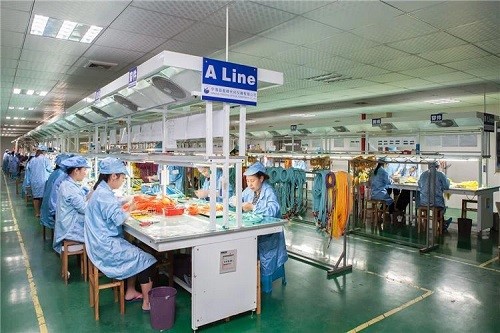


As one of the most professional fiber optic terminal box manufacturers and suppliers in China since 1982, we're featured by quality products and good service. If you're going to wholesale discount fiber optic terminal box, welcome to get quotation from our factory.
(0/10)